Women and Girls with Disabilities (WGDs) are increasingly stepping into spaces where decisions about climate change and environmental justice are made, and their voices are growing stronger.
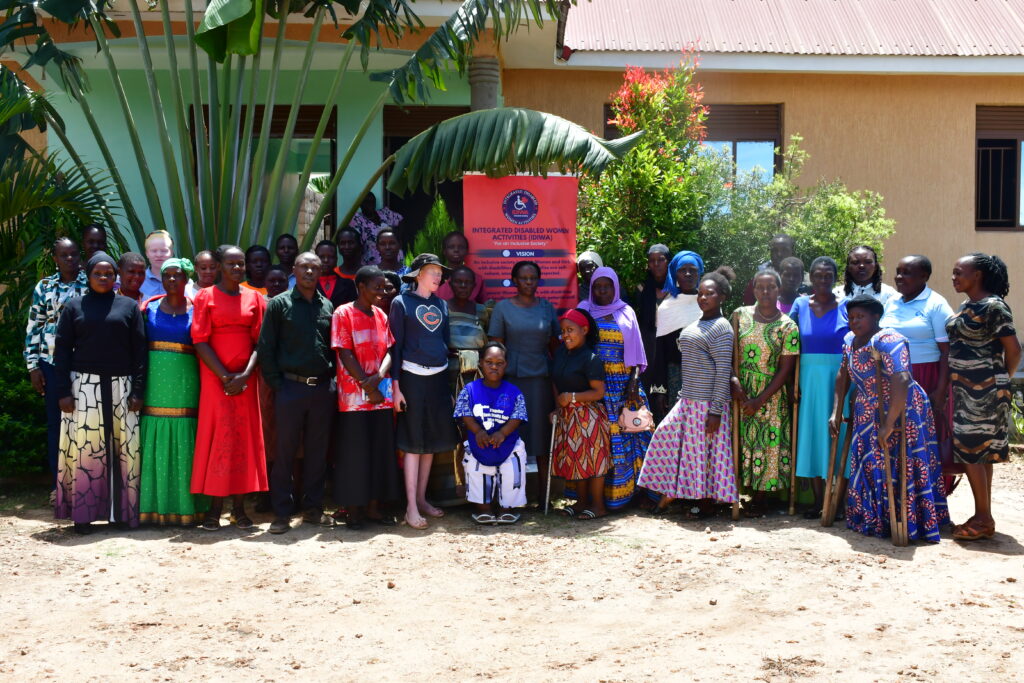
Last week, Integrated Disabled Women Activities (IDIWA) under the Mid-Level Coalition, a partnership of three organizations, with support from the Disability Rights Fund (DRF), convened a transformative training for 40 WGDs serving as Human Rights and Environmental Defenders in Kaliro district. The training focused on strengthening their capacity in climate and environmental negotiation skills, equipping participants to actively engage in policy and decision-making processes that directly affect their lives and communities.
The training focused on strengthening their capacity in climate and environmental negotiation skills, equipping participants to actively engage in policy and decision-making processes that directly affect their lives and communities.
Climate policy and environmental governance
Advocacy and lobbying strategies
Negotiation techniques for engaging duty bearers
Human rights-based approaches to climate action.
This initiative is part of broader efforts to ensure that WGDs are not just beneficiaries of climate interventions, but active contributors and leaders in shaping climate solutions.
According to program insights, such trainings enable participants to “confidently articulate their priorities” and advocate for inclusive policies.
Centering Inclusion in Climate Action:
Women and girls with disabilities are among the most affected by climate change due to systemic barriers such as limited access to information, resources, and decision-making spaces. Despite this, they remain underrepresented in climate discourse.
IDIWA’s approach challenges this exclusion by intentionally placing WGDs at the center of climate adaptation and mitigation strategies. Through targeted capacity-building, the organization is ensuring that their lived experiences inform policies and programs.
This aligns with IDIWA’s broader mission of transforming power relations and advancing the rights of women and girls with disabilities, particularly in areas where inequality is most pronounced.
The training is not an isolated event, it is part of an ongoing journey. Participants are expected to apply their newly acquired skills within their communities by:
Engaging local leaders and policymakers
Participating in climate planning processes
Advocating for disability-inclusive environmental policies
Mobilizing fellow women and girls with disabilities