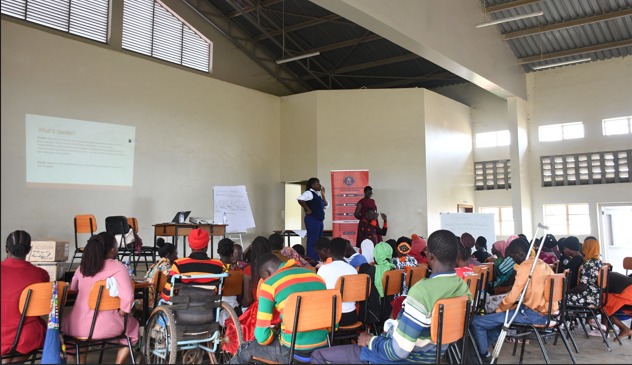
IDIWA successfully concluded a transformative three-day Human Rights Training for 100 children and youth with disabilities from Namutumba and Iganga districts under the project “From Silence to Action and from Fear to Empowerment Against Sexual and Gender-Based Violence (SGBV) Among Children and Youth with Disabilities in Eastern Uganda.”
The training addressed the persistent challenge of SGBV faced by children and youth with disabilities, particularly girls, which is often worsened by silence, social exclusion, limited access to information, and fear of reporting abuse. Participants reflected on how these barriers continue to expose them to violence while limiting their ability to seek protection and justice.
Throughout the training, participants were equipped with knowledge on their human rights, with a strong focus on key legal and policy frameworks, including the United Nations Convention on the Rights of Persons with Disabilities (UNCRPD). They explored how these frameworks protect their rights to dignity, equality, safety, and participation in society.
In addition, the sessions strengthened their understanding of national laws and reporting mechanisms related to SGBV, child protection systems, and available community support structures. Through participatory learning, discussions, and experience sharing, the children and youth developed practical skills to identify abuse, challenge harmful social norms, and confidently seek help when needed.
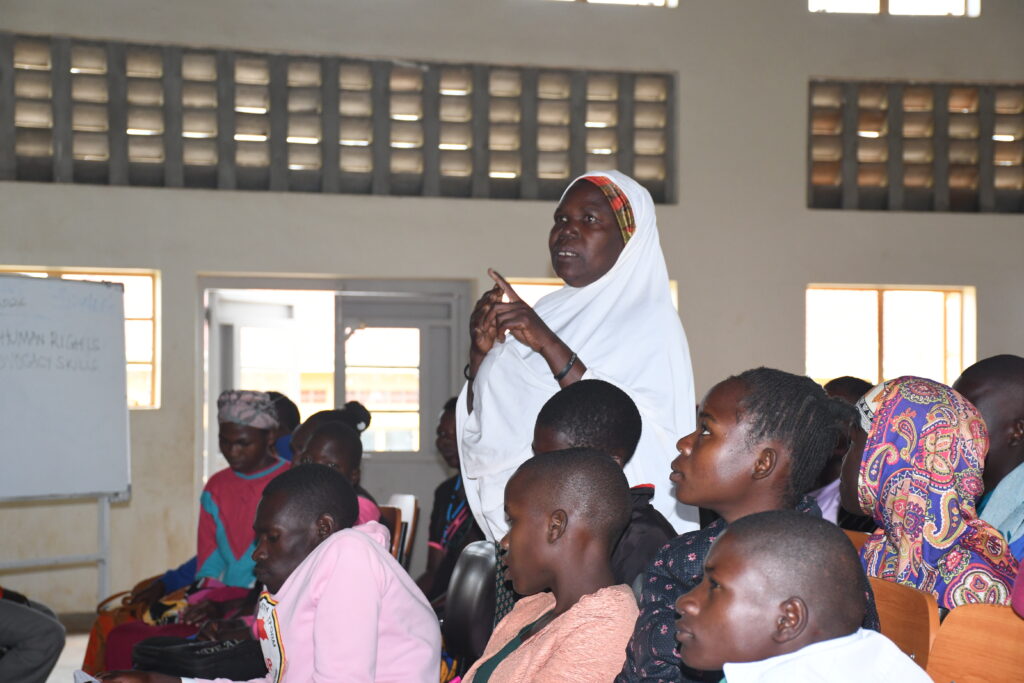
By the end of the two three days trainings across the two districts, participants demonstrated increased awareness, improved self-expression, and a stronger commitment to speaking out against violence and discrimination. Many expressed renewed confidence in their ability to demand protection and support, while also advocating for others facing similar challenges.
This intervention marked a significant step in shifting from silence to action, and from fear to empowerment, reinforcing the principle that children and youth with disabilities have the right to live free from violence, to be heard, and to fully participate in society with dignity and equality.